Heating St. George, UT
When temperatures drop in St. George during winter months, your heating system becomes essential for maintaining comfort in your home. At S&S Mechanical, we specialize in comprehensive heating solutions that address the unique climate challenges of Southern Utah. Our region experiences temperature swings that can range from mild days to freezing nights, placing specific demands on residential and commercial heating systems that require expert knowledge and proper equipment selection.
Understanding Heating Systems in St. George, Utah
The desert climate of St. George presents particular challenges for heating system efficiency and longevity. Low humidity levels combined with dusty conditions mean heating equipment requires specialized maintenance approaches. We’ve developed specific protocols over our 40+ years in business that account for these local environmental factors, ensuring your heating system operates at peak efficiency throughout the cold season.
Common Heating Problems We Address
Heating systems in St. George homes face several recurring issues that we encounter regularly during service calls. Pilot light failures occur frequently due to wind infiltration and dust accumulation, particularly in older furnace models. Heat exchanger cracks develop over time from repeated thermal cycling, which happens more frequently here due to our dramatic temperature variations between day and night. These cracks can lead to dangerous carbon monoxide leaks, making regular inspections crucial for safety.
Thermostat malfunctions account for approximately 25% of heating service calls we receive during winter months. Modern programmable and smart thermostats require proper calibration and positioning to accurately read ambient temperatures and control heating cycles effectively. We often find thermostats placed near heat sources or in drafty areas, causing erratic system operation and uncomfortable temperature fluctuations throughout homes.
Heating System Types and Applications
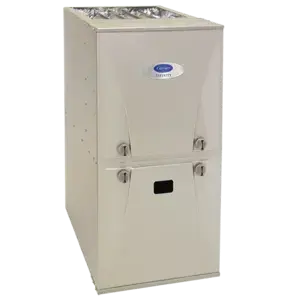
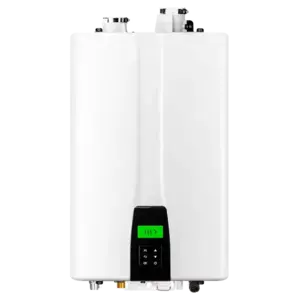
We install and service multiple heating system types suited for St. George properties. Forced air furnaces remain the most popular choice, utilizing natural gas or propane to generate heat distributed through ductwork. These systems provide rapid heating and integrate well with central air conditioning, making them ideal for our climate where both heating and cooling are essential. Modern high-efficiency furnaces achieve AFUE ratings exceeding 95%, significantly reducing energy costs compared to older models.
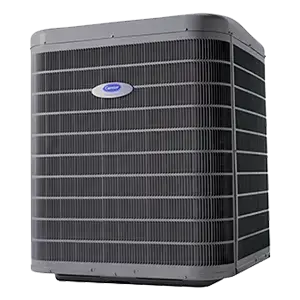
Heat pump systems offer exceptional efficiency for St. George’s mild winters, extracting heat from outdoor air even at temperatures near freezing. These systems provide both heating and cooling capabilities, eliminating the need for separate equipment. Dual-fuel configurations combine heat pumps with gas furnaces, automatically switching between electric and gas operation based on outdoor temperatures and energy costs, optimizing both comfort and efficiency.
Emergency Heating Services
When your heating fails during cold weather, we understand the urgency of restoration. Our emergency response team maintains readiness seven days a week, with technicians available beyond our normal Monday through Friday 7am-6pm schedule. We typically dispatch technicians within two hours for emergency calls, arriving with fully stocked service vehicles containing common replacement parts for immediate repairs.
Our Trust Certified technicians undergo extensive training in rapid diagnostic procedures, enabling accurate problem identification and efficient repair completion. Each technician carries specialized testing equipment including combustion analyzers, electrical meters, and pressure gauges to thoroughly evaluate system performance and safety. This comprehensive approach ensures we resolve not just symptoms but underlying causes preventing future breakdowns.
Preventive Maintenance Programs
Regular maintenance extends heating system lifespan while preventing unexpected failures during peak usage periods. Our maintenance programs include:
- Annual tune-ups: comprehensive cleaning, adjustment, and safety testing
- Filter replacement schedules: customized based on system type and household conditions
- Ductwork inspection: identifying leaks and blockages affecting system efficiency
- Carbon monoxide testing: ensuring safe combustion and proper ventilation
We document all maintenance activities, tracking system performance trends over time. This historical data helps predict component failures before they occur, allowing proactive replacement during scheduled maintenance rather than emergency situations. Our technicians, each with minimum four years experience, recognize subtle performance changes indicating developing problems.
Energy Efficiency Considerations
Heating costs represent significant portions of utility bills during winter months. We help customers reduce these expenses through system optimization and equipment upgrades. Proper sizing calculations ensure new heating systems match actual load requirements, preventing oversized units that cycle frequently and waste energy. Duct sealing and insulation improvements can reduce heating losses by 20-30%, delivering conditioned air more effectively to living spaces.
Smart thermostat integration allows remote system control and automated scheduling, reducing energy consumption when homes are unoccupied. These devices learn usage patterns, automatically adjusting temperatures for optimal comfort and efficiency. We configure these systems properly, ensuring they communicate effectively with heating equipment and provide accurate energy usage reporting for informed decision-making about system operation and potential upgrades.